
REDESIGN OF A VILLA IN TEMPELHOF, BERLIN
The project digs in one of the most iconic quarters of West Berlin, the quartier of Neu-Tempelhof, a residential area designed and built around 1920 around the concept of the garden city. Main typology of the whole masterplan was the urban villa, 2 or 3 floors and a generous backyard. While ensuring an exceptional space and quality of life, the building is situated in the middle of one the hot spots of the cityscape, a ever-changing portion of the urban fabric that first turned the former airport into a park and then opened the debate around large scale masterplans with the aim of a drastic rise of the density.
Aim of the project is to reorganize and rationalize the existing spaces in order to improve the living potentials and locate new functions. The architectural system of the house, founded in 1920 and successively modified three times from WW2 to 1990, has to respond to the needs of the contemporary.
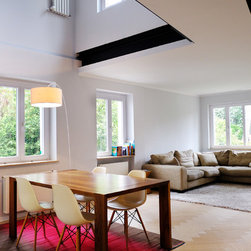
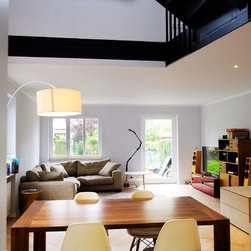
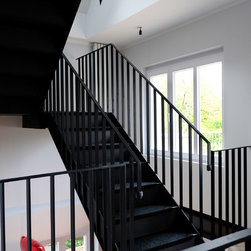
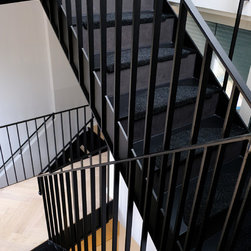
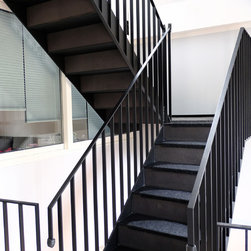
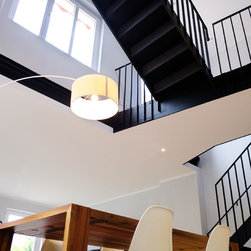
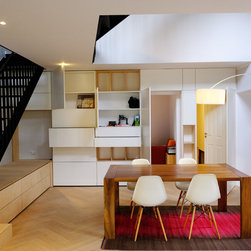
The main intervention is focused on the reorganization of the vertical connections. On a total area of ca. 170 sqm, the location of the staircases plays a fundamental role on the whole usability of the living spaces. Through a mixed structure of steel and wooden beams we opened the slabs of 1st and 2nd floor, establishing a full height space that hosts the connecting stair. The natural light goes now though the building from the top to the bottom, allowing a second and unexpected source of natural lighting for every room.
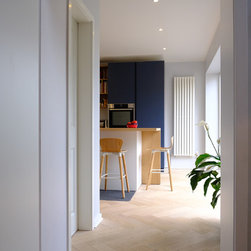
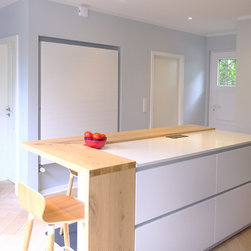
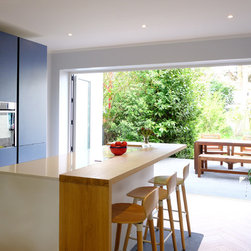
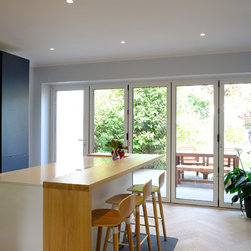
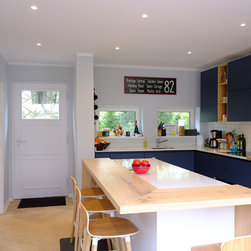
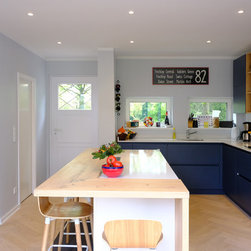
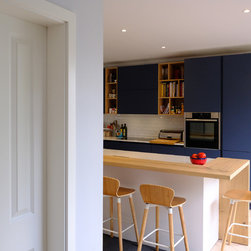
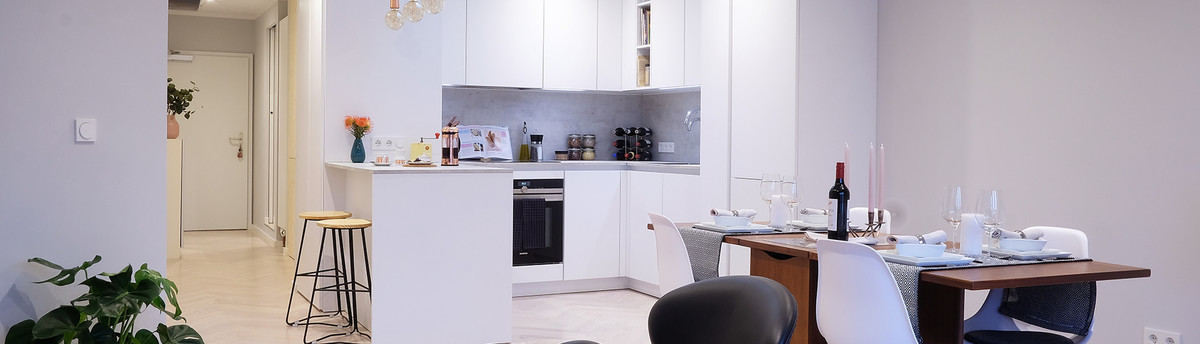
The former garage was integrated in the dwelling system becoming a open plan kitchen, directly connected with the dining room at ground floor and with a outdoor deck.
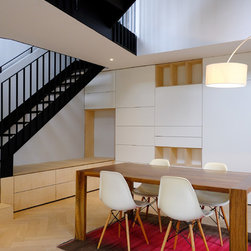
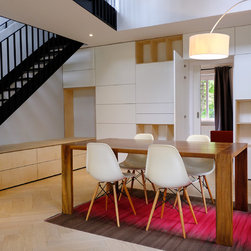
The two stairs and the wood elements we have designed and realized in symbiosis one each other, in order to create an integrated and coordinated image of structural and furniture elements.
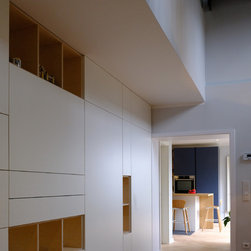
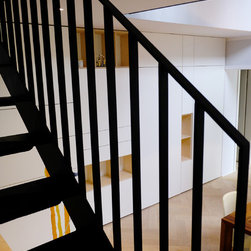
The wall wide shelf is designed in oder to create an homogeneous surface that conceal the two doors towards the guest room apartment (room + toilette) and to the cellar.
Aim of the project is to reorganize and rationalize the existing spaces in order to improve the living potentials and locate new functions. The architectural system of the house, founded in 1920 and successively modified three times from WW2 to 1990, has to respond to the needs of the contemporary.
The main intervention is focused on the reorganization of the vertical connections. On a total area of ca. 170 sqm, the location of the staircases plays a fundamental role on the whole usability of the living spaces. Through a mixed structure of steel and wooden beams we opened the slabs of 1st and 2nd floor, establishing a full height space that hosts the connecting stair. The natural light goes now though the building from the top to the bottom, allowing a second and unexpected source of natural lighting for every room.
The former garage was integrated in the dwelling system becoming a open plan kitchen, directly connected with the dining room at ground floor and with a outdoor deck.
The two stairs and the wood elements we have designed and realized in symbiosis one each other, in order to create an integrated and coordinated image of structural and furniture elements.
The wall wide shelf is designed in oder to create an homogeneous surface that conceal the two doors towards the guest room apartment (room + toilette) and to the cellar.
プロジェクトの竣工年/制作年: 2017
プロジェクトの費用: EUR 100,001 〜 EUR 250,000
国: ドイツ
郵便番号: 12101